Treasury's Bessent sees crypto as America's next tool for keeping the U.S. dollar on top
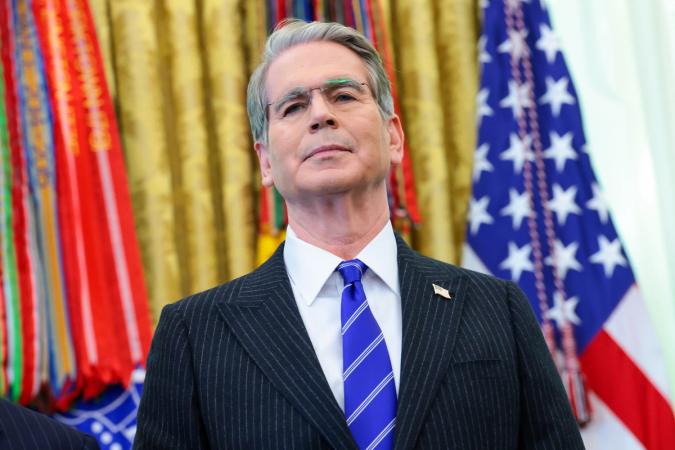
- Treasury Secretary Scott Bessent said U.S. leadership in digital assets could reinforce the dollar’s global dominance as technological strength becomes increasingly important to economic influence.
- Bessent said Tuesday that the Treasury Department could work with the SEC and CFTC to clarify cryptocurrency rules after the failure to pass federal digital asset regulation, and establish safeguards against banks cutting off services to digital-asset businesses.
- The Trump administration has passed the GENIUS Act, establishing federal rules for stablecoins, which Bessent argued was a way to expand global demand for U.S. dollars and Treasury debt.
U.S. Treasury Secretary Scott Bessent said digital assets could help strengthen the U.S. dollar's global dominance as technology becomes an increasingly important source of American economic influence.
Speaking Tuesday at Ripple's Swell conference with CEO Brad Garlinghouse, Bessent argued that the power behind the world's reserve currencies during history derived from military strength, but it’s increasingly shifting toward technological leadership.
"We will keep our military umbrella, but I think more and more it's becoming a technology umbrella," Bessent said.
He pointed to the growing divide between U.S. and Chinese technology ecosystems, where countries and companies face choices over whose artificial intelligence systems and semiconductor technology to adopt. Bessent said he sees digital assets as part of that competition, with the financial infrastructure countries may choose influencing the U.S. dollar’s reach.
"I think that digital assets are going to be no different, and we are going to win in the digital asset stack, and that's gonna continue to fortify the [U.S.] dollar," he said.
His remarks offered a broader rationale for the administration of President Donald Trump’s push to bring crypto businesses onshore, framing digital assets not just as a financial market but as part of the infrastructure that could sustain U.S. economic influence. The administration has already secured passage of the GENIUS Act, which established a federal regulatory framework for stablecoins, cryptocurrencies designed to maintain a fixed value against fiat currencies like the U.S. dollar.
Bessent argued that stablecoins could reinforce the dollar's position by expanding access to U.S. currency in countries where local currencies face inflation or sharp swings in value.
More than 90% of stablecoins are backed by U.S. dollars, he said, and their issuers often hold U.S. government securities as reserves. As adoption grows, demand for those assets could rise, creating another source of financing for the federal government.
"I think it's gonna be an important source of funding for the Treasury," Bessent said.
‘Opening new markets’
Bessent pushed back against the idea that stablecoins would merely replace dollars people already hold, arguing that they could reach new users in emerging markets who want to protect their savings from currency devaluation.
"I think we are opening up new markets all around the world," he said.
Newsletters
However, the White House’s broader push to regulate crypto markets suffered a setback after Congress failed to pass the Clarity Act, which would have established a federal framework for the industry.
Bessent called the failure a disappointment but said the Treasury Department could work with regulatory agencies like the Securities and Exchange Commission (SEC) and Commodity Futures Trading Commission (CFTC) to advance oversight through agency action.
"At Treasury, we have a lot of convening powers," he said, describing the SEC and CFTC as “great partners” in forming a regulatory framework that could serve as a model for other countries.
The agencies' regulatory efforts could provide more clarity for crypto firms, though rules adopted by regulators would lack the permanence of legislation.
Bessent also addressed the industry's concerns about debanking, a term used to describe financial institutions cutting off services to crypto businesses, sometimes allegedly under regulatory pressure.
He said the Clarity Act would have helped prevent a return to such practices but argued that regulatory safeguards could still offer protection.
"I think we can set up regulatory best practices, guardrails that will prevent that from happening again," Bessent said.

- 1Robinhood's crypto revenue fell 55% from last year, but topped Street forecasts24 minutes ago
- 2U.S. agency hits Utah with lawsuit to shield Kalshi's ability to offer betting there1 hour ago
- 3Intel, Oracle, IBM join growing list of firms objecting to OKX–ICE tokenized stock plans2 hours ago
- 4Brazilian companies turned to stablecoins on election day to dodge a currency crash3 hours ago
- 5Robinhood taps Ripple’s $2.5 billion RLUSD stablecoin despite backing rival USDG4 hours ago
- 6Nasdaq-100 comes onchain as Janus Henderson and Centrifuge launch first licensed fund6 hours ago
- 7CF Benchmarks brings Wall Street pricing infrastructure onchain, including data used by BlackRock6 hours ago
- 8Bitcoin miners' move into AI is creating a new market for trading computing power7 hours ago
- 9Bitcoin shows signs of weakness while Ripple's bank win fails to bolster XRP8 hours ago
- 10Live updates: Bitcoin edges higher as Nasdaq surges 1.2%9 hours ago
Beyond the Risk-Free Rate: Diversified Real World Yield in Productive Stablecoins

Beyond the Risk-Free Rate: Diversified Real World Yield in Productive Stablecoins
Diversified RWA stablecoins sustain 5-7% yield from real credit as crypto funding compresses to ~4%. GENIUS pushes yield off-chain; TAM grows to $4B in 3 years.
Diversified RWA stablecoins sustain 5-7% yield from real credit as crypto funding compresses to ~4%. GENIUS pushes yield off-chain; TAM grows to $4B in 3 years.
Why it matters:
Diversified RWA stablecoins sustain 5-7% yield from real credit as crypto funding compresses to ~4%. GENIUS pushes yield off-chain; TAM grows to $4B in 3 years.

U.S. agency hits Utah with lawsuit to shield Kalshi's ability to offer betting there

NBA joins pro sports leagues on CFTC prediction markets bandwagon while NFL balks

OCC calls on community banks to enter the stablecoin payments market
Related stories

Robinhood Taps Ripple's Stablecoin, Treasury Software and Trading Loans
CFTC sues Utah to block action against prediction markets
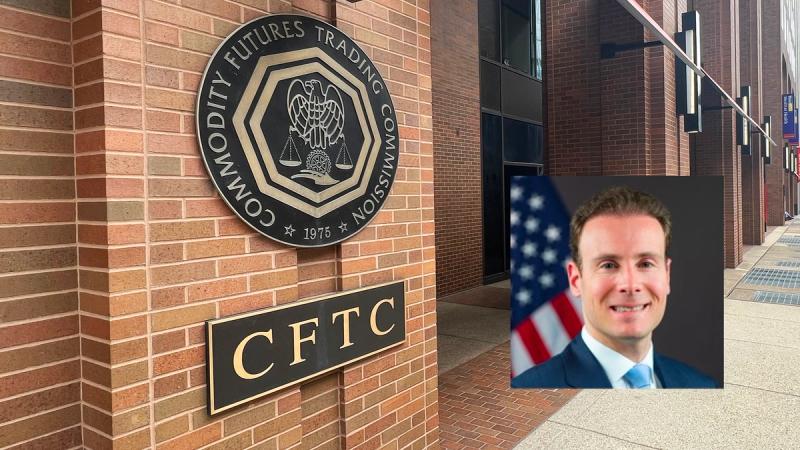
U.S. agency hits Utah with lawsuit to shield Kalshi's ability to offer betting there